
Freelancer vs In-House Logo Designer: What I Learned from Both Worlds
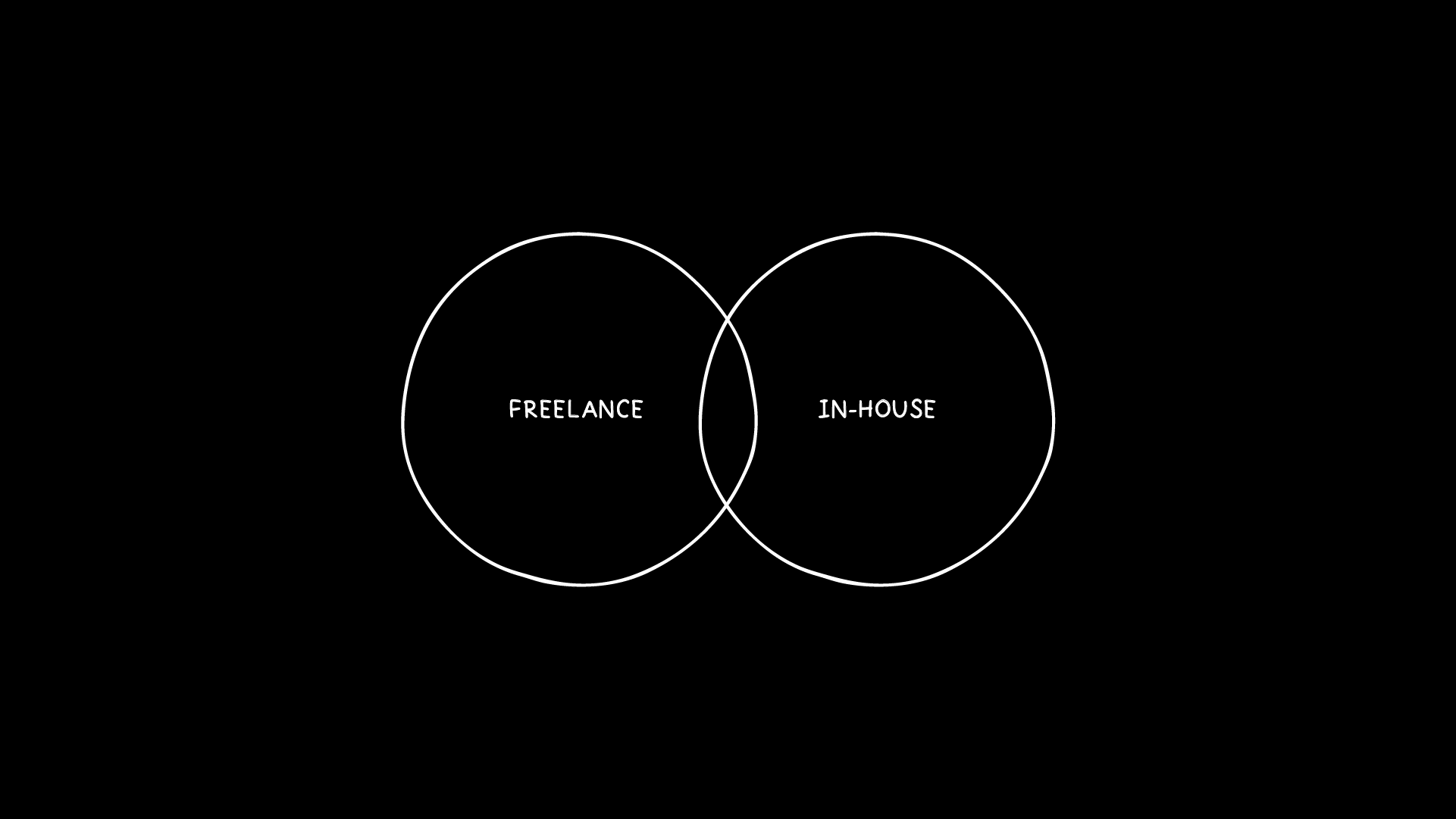
There aren’t enough conversations about designer wellbeing—especially in logo and identity design.
We’re the creative force behind every brand’s visual identity.
Yet no one talks about the emotional, mental, and physical toll of the work.
In a discipline that demands deep thinking, clarity, and craftsmanship—we ignore the systems that protect the very people doing the work.
I’ve lived both sides of the design world—freelance and in-house—and what I’ve learned is simple:
If you don’t manage your time, money, and energy—they will manage you.
Key Takeaways
Freelance and in-house each offer lessons—but neither is perfect
Your wellbeing depends on how you manage your time, money, and energy
Most designers glorify overworking, but it’s not sustainable
The design industry is moving faster, but our processes aren’t
Becoming a Lean Logo Designer is about efficiency and longevity—not just creativity
My first design job meant the world… Until it didn’t
Landing my first in-house design job was a dream come true.
I remember the feeling clearly—validation, pride, and a burning desire to prove myself.
At first, everything felt new and exciting.
But over time, I began to feel boxed in.
My creative freedom shrunk. And slowly, the passion that got me into design began to fade.
It wasn’t the work—it was the environment.
In-house, I had stability, but lost autonomy.
My creative decisions felt controlled, my direction filtered through layers of approval.
I became just another cog in the wheel.
Freelance felt like freedom. Until it felt like survival.
When I finally went freelance, I was chasing one thing: freedom.
And I thought I got it.
I could choose the clients, the projects, the schedule.
But I also got anxiety, instability, and exhaustion.
Even after landing big-name clients, I found myself burnt out, constantly hustling for the next job, juggling way too many roles: designer, marketer, accountant, admin… all while trying to maintain creative excellence.
Freelance gave me freedom—but it also exposed how unprepared I was to manage my time, energy, and money effectively.
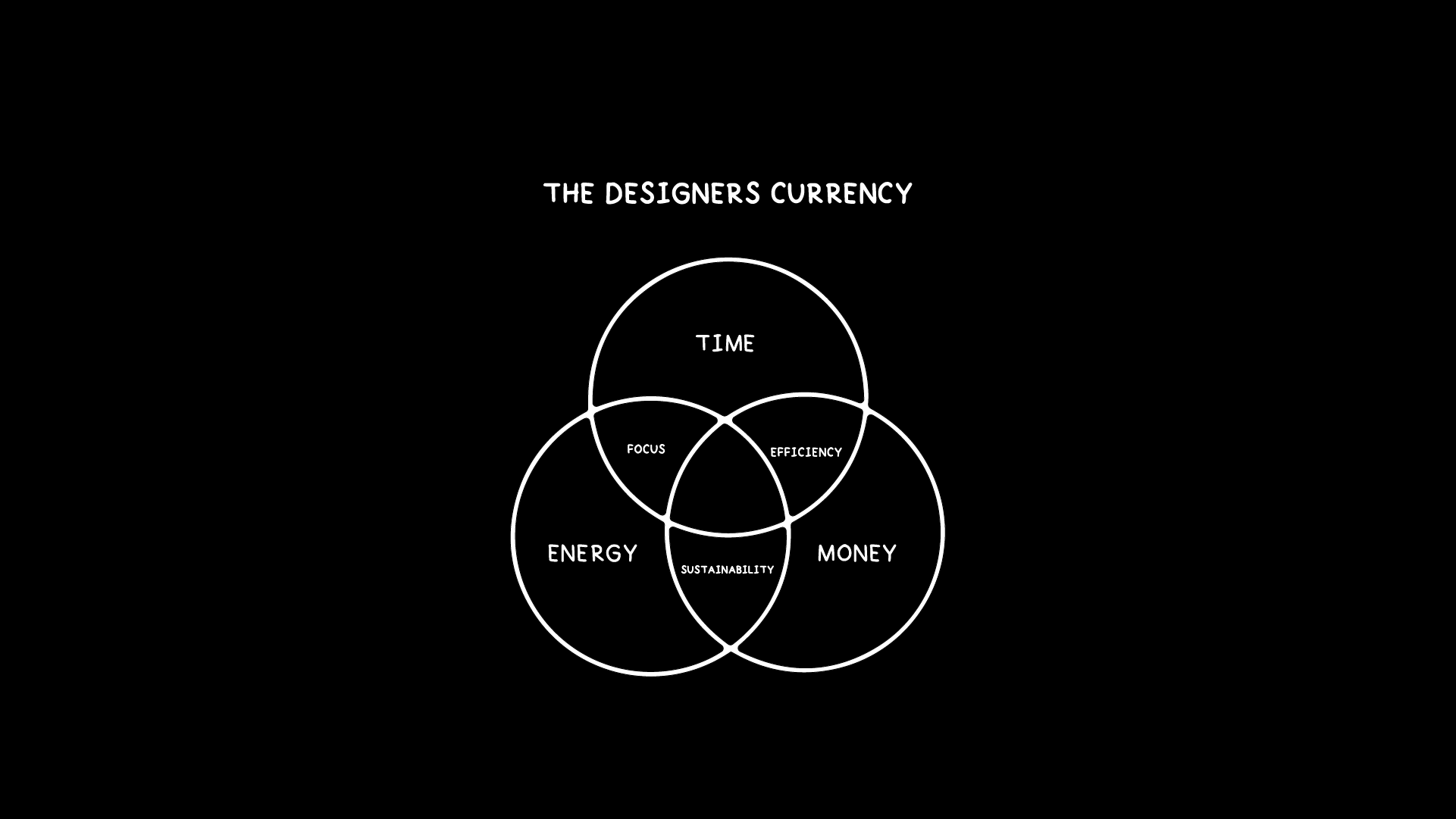
Check out my other blog ‘The Designers Currency’ to understand the importance of managing your time, money and energy.
The industry has evolved. But our processes haven’t.
When I started out, the design world moved slower.
Deadlines were longer. Clients had patience. Designers had space to breathe.
But that’s changed.
Everything today is faster—more tools, more platforms, more deliverables in less time.
Yet logo and identity design is one of the few fields that hasn’t adapted its workflow to keep up.
We still rely on outdated methods. We glorify all-nighters. We celebrate the “grind.”
There’s a toxic pride in working long hours, tweaking endlessly at 2am as if that’s proof of passion.
It’s not.
It’s a recipe for burnout.
We need to move from “work harder” to “work smarter.”
The Truth About Hard Work
Hard work will always be part of the process. But here’s the truth:
Hard work doesn’t have to mean wasted effort.
There’s a difference between pushing yourself to grow and pushing pixels for hours with no purpose.
Efficiency matters—not just for the project, but for your health, your longevity, and your sanity.
That means:
Learning better techniques
Learning better tools
Improving your workflow
Protecting your creative battery (read more here)
You don’t need to prove yourself through pain.
You prove it through clarity, quality, and sustainability.
The Emotional Truth
Both in-house and freelance roles taught me more than just design.
They taught me about myself—what I need to feel fulfilled, focused, and free.
I used to treat design like my whole identity. I wore overworking like a badge of honor.
But the truth is, there’s more to life than logos.
Your wellbeing matters more than your output.
Your process isn’t just about creating a logo—it’s about building a career you can actually sustain.
Conclusion
Freelancing felt like chaos.
In-house felt like confinement.
I’m grateful for both—because they taught me how to build something better.
Not just for my career. But for my health. My growth. My life.
Being a Lean Logo Designer means valuing your time, protecting your energy, and making money in a way that supports your wellbeing.
Work smarter, not harder.
Hard work is part of the journey—but smart work sustains it.
Are you freelancing or working in-house? What’s the biggest lesson you’ve learned from your journey so far?